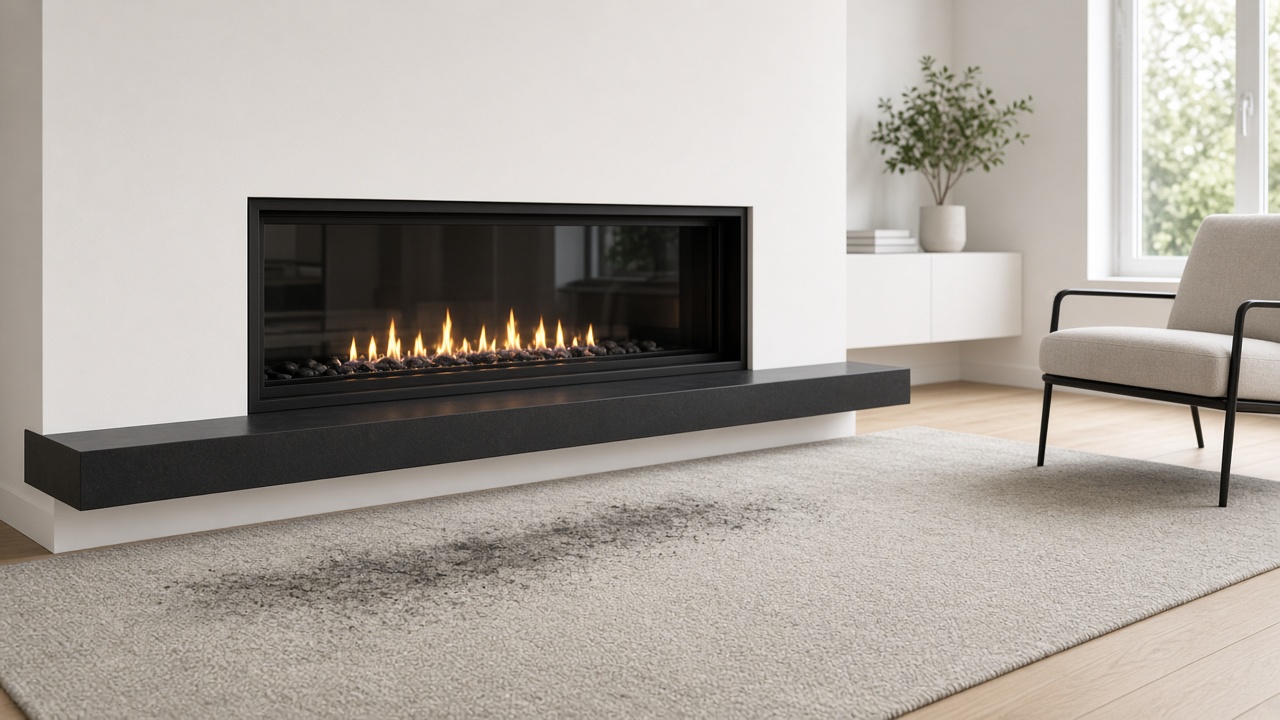
A wipe with a damp rag turns fireplace soot into gray dye. Treat it like dust: dry first, then a controlled wash, not a steam pass on the living-room floor.
Moth Treatment Before You Store a Wool Rug
Moths don’t eat the wool—their larvae do. Quiet storage, food spills, and old pet accidents make a rug a buffet. Treat, then wrap, before you store it.
Store Rugs Clean—or Don’t Store Them
A dirty rug in storage is not “paused.” Spots keep digesting fiber. Wash, moth-treat, and wrap in something that breathes.
Area Rug Anatomy: Warp, Weft, Fringe, and Field
If you know the parts, you can describe damage. Fringe is the warp leaving the rug. Cut it, and the rug can unravel.
Rug Restoration: Reweave, Patch, and Color Work
Persian, tribal, antique, or a loved machine-made: we inspect, explain the options, and don’t sell a museum reweave when a patch is the honest fix.
When a Rug Turns Stiff: Dry Rot, Urine Salts, and Sun
Stiff is not “just dirty.” Urine crystals, plant overflow, chair mats, and Arizona sun all cook the foundation. We flush first and talk honestly about repair.
Vacuuming Area Rugs Without Eating the Fringe
Dry soil is sandpaper. Weekly vacuuming saves pile—if you don’t suck up the fringe or beat the wool to death with an upright.
A Home Care Checklist Between Professional Rug Washes
A checklist for living with the rug—not a DIY immersion guide. The plant wash still happens every one to three years.
Fringe Repair: What to Do and What Never to Do
Fringe is structure, not decoration you can trim. Vacuum damage outruns pet damage. Repair loose ends promptly.
How to Vacuum a Flat-Weave Wool Rug
Flat weaves have no pile to hide dirt—and no pile to protect the wool. Vacuum across the width, never with a rotating brush.