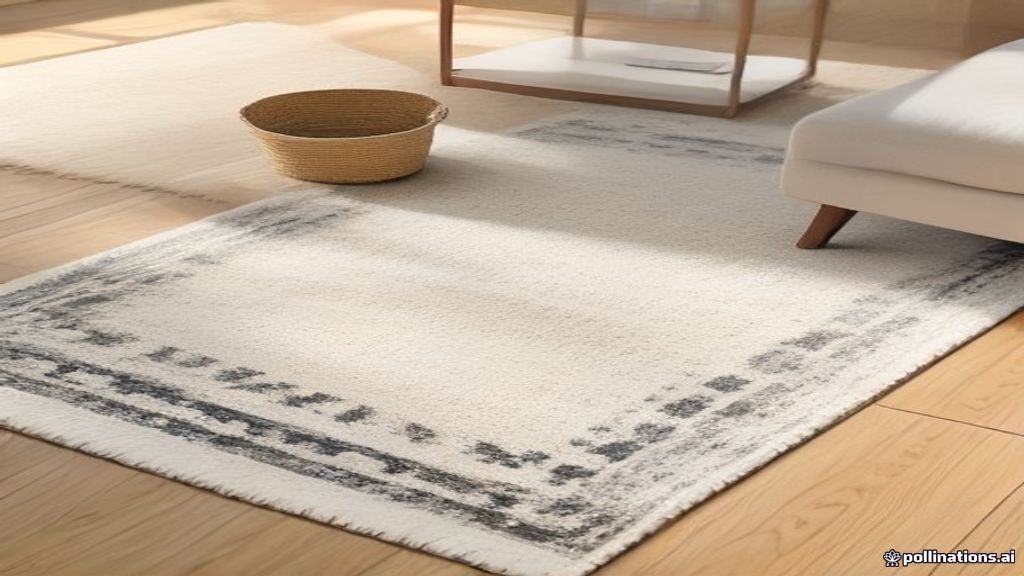

Wet mud smears. Dry mud vacuums. Then a tiny bit of wool-safe soap, edge to center, and a full rinse so detergent doesn’t become a dirt magnet.
What to Inspect Before You Buy a Used Area Rug
A deal is only a deal if it doesn’t bring moths, smoke, or a powdering tufted back into the house.
How to Tell If an “Oriental Silk” Rug Is Really Silk
Salespeople sell “silk.” A ruler on the back and a sense of price tell you more than the sheen on the face.
Tree Sap in Wool: Why Solvents Need a Soft Touch
Sap looks like a solvent job. On wool and tufted latex backs, solvent is how rugs fuzz, bleach, or fall apart. Go slow or don’t go at all.
How Often Wool Rugs Need a Professional Wash
If you can see a traffic pattern, the rug is already being ground down. Two to three years is the rule of thumb—not a calendar you wait to fail.
Why Dogs Target Wool Rugs (and How to Break the Cycle)
Your dog isn’t targeting the invoice. Wool smells like another animal, soaks urine, and keeps the odor you can’t smell. That’s the loop.
What Moth Larvae Actually Do to Wool Rugs
People skip moth treatment because “Prescott doesn’t have moths.” Then an $8,000 Persian comes in riddled with holes. Here’s where larvae actually feed.
How to Spot-Clean Pet Urine on an Area Rug
A new pet’s accident on a fine rug is panic fuel. These steps reduce staining. They do not replace a professional flush of urine salts.
The Rug That Dried in Place After a Roof Leak
The leak was months earlier. The rug looked fine until we rolled it. Damage hid under the sofa and along the wall. Water-damaged rugs don’t dry safely in place.
Why a Rug Pad Is Not Optional
Only pad the rugs you want to keep. Padding spreads footfall, grips the floor, and saves the knots on hand-woven pieces.